
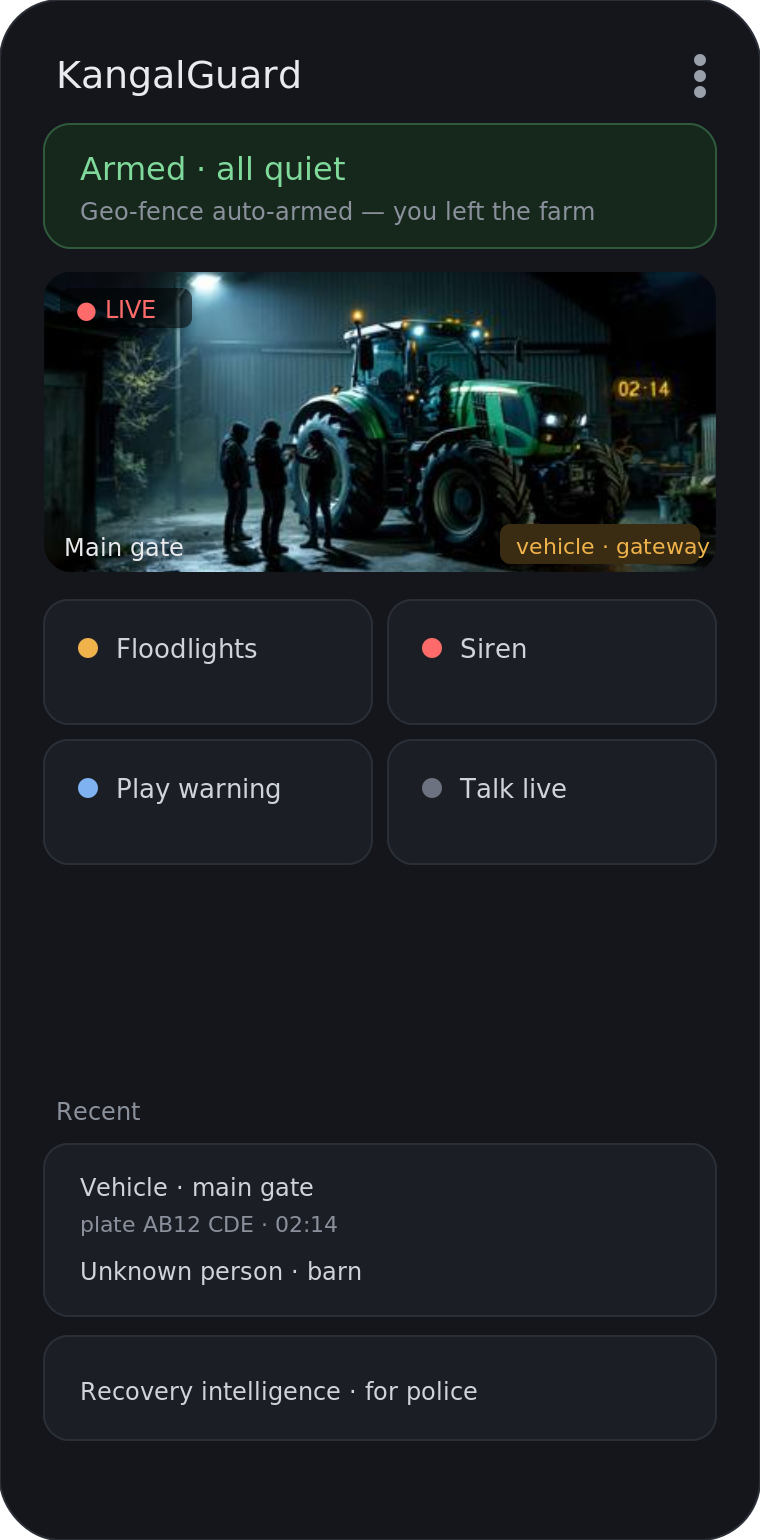
Crime rates in London vary significantly by postcode, with areas including parts of Newham, Hackney, Tower Hamlets, and Southwark reporting higher incident densities than outer boroughs. Security needs depend on your property type, location within that area, and the specific risks—from vehicle theft to break-ins—rather than neighbourhood reputation alone. Understanding the actual risk profile helps you invest in the right systems.
How does crime distribution map across London's postcodes?
Crime in London is concentrated in specific postcodes rather than spread evenly across rough areas. Inner East London neighbourhoods—particularly in Newham, Hackney, Tower Hamlets, and Waltham Forest—consistently report higher incident counts than suburban or fringe zones. South London postcodes including parts of Southwark, Croydon, and Lambeth also register elevated crime statistics. However, postcode alone doesn't determine your risk: a secure commercial property in a high-crime area may face lower theft risk than a rural isolated site with poor monitoring. Metropolitan Police and local authority crime mapping show these patterns publicly; consulting live data for your specific postcode reveals actual incident types and frequency rather than relying on neighbourhood labels.
Outer London boroughs including Bromley, Harrow, and Hillingdon record substantially lower crime densities, though burglary and vehicle crime occur everywhere. The distinction matters because security provision should match real threat profile, not postcodes. A property in a statistically higher-crime area with strong perimeter fencing, monitored entry, and alarm systems often faces lower actual risk than an unguarded rural site. Understanding which crimes dominate your neighbourhood—burglary, theft from vehicles, shoplifting, or organised property crime—shapes what systems protect you most effectively.
What types of crime should you prepare for in high-risk London areas?
Inner London neighbourhoods experience higher rates of vehicle crime, burglary, and street-level theft than their outer counterparts. Commercial premises and residential buildings in postcodes with elevated incident counts face organised break-ins targeting cash, electronics, and high-value goods. Catalytic converter theft, package theft, and opportunistic vehicle break-ins spike in areas with limited street lighting and fewer fixed CCTV installations. Rural properties near motorway corridors or in commuter zones experience different threats: farm equipment theft, fuel theft, and long-dwell burglaries where properties may sit empty for extended periods. Understanding your specific threat means reviewing which crimes occur most frequently in your postcode and property type, then selecting systems that address those risks directly.
Retail and hospitality premises in high-crime urban areas need stronger anti-theft measures than typical suburban shops. Residential properties benefit from monitored alarms, reinforced entry points, and visible deterrence. Rural sites require perimeter monitoring, remote alert systems, and cameras with wide coverage angles because response times are longer. The postcodes experiencing the highest crime densities share one pattern: properties with visible security systems, monitored CCTV, and alarm signage experience lower incident rates than unprotected neighbours. This isn't neighbourhood stigma; it's risk mitigation based on actual threat density.
How do you assess whether your London property needs enhanced security?
Start by checking crime statistics for your specific postcode through the Metropolitan Police’s online mapping tool and your local authority’s community safety reports. These show incident types, frequencies, and trends. Next, evaluate your property’s physical vulnerabilities: visibility from the street, number and quality of entry points, lighting, and proximity to escape routes. A property in Newham with secure doors, good lighting, and visible alarms faces lower risk than an unguarded property in a lower-crime postcode. Then consider your use pattern—does the site sit empty outside working hours? Are high-value goods stored there? How quickly could emergency services respond? These factors often matter more than neighbourhood crime rate. A rural site 20 miles from the nearest police station may need stronger remote monitoring and alert systems regardless of local crime statistics.
Properties in postcodes where burglary, vehicle crime, or theft dominate typically benefit from layered security: perimeter detection, monitored CCTV, alarmed entry points, and professional response agreements. Rural properties and those with longer emergency response times need more emphasis on detection and remote notification rather than relying on quick police attendance. Speak with a security specialist who understands both your postcode’s actual risk profile and your property’s specific layout, use, and vulnerabilities. They can recommend proportionate systems—avoiding over-provision in low-risk areas and under-provision where threats are genuine.
Why visible security deters crime better than hidden systems alone
Postcodes with high crime rates show a consistent pattern: properties displaying alarm boxes, CCTV camera stickers, and monitored system signage experience lower incident rates than unmarked, apparently unprotected neighbours. Criminals assess risk and effort when choosing targets. A property that signals monitored surveillance, alarm response, and reinforced entry becomes less attractive than an easier alternative nearby. This doesn’t mean cosmetic security works; the systems must be real and functional. But visible deterrence—a working CCTV camera, an alarm box mounted prominently, monitored entry signage—shifts the risk calculation. In high-crime inner London neighbourhoods, this layering of visible deterrence plus functional monitoring creates measurable protection.
Conversely, hidden systems alone (interior cameras, silent alarms, discreet sensors) excel at evidence gathering and response but offer no deterrent effect. Properties requiring the highest security often combine both: visible perimeter deterrence plus hidden internal monitoring. Rural sites benefit especially from prominent boundary signage and external cameras because isolated properties attract longer-dwell burglaries where criminals have time to search for valuables. The approach varies by threat type—retail premises in high-crime postcodes need visible till-point monitoring and entry deterrence; agricultural sites need perimeter monitoring and remote alert capacity.
What questions should you ask a security specialist about your specific postcode?
When evaluating security providers for a property in a high-crime London area, ask specifically: What incident types are most common in this postcode? How does that shape system design? How quickly can alerts be responded to from this location? What monitoring and response options exist? Are there gaps in street lighting or sightlines that require additional camera coverage? Which entry points are highest-risk given local theft patterns? Does the property need visible deterrence, covert monitoring, or both? Request that recommendations reference actual crime data for your postcode, not generic advice. Specialists familiar with areas like Newham, Hackney, or Southwark understand that systems for a residential flat differ markedly from those for a commercial warehouse or rural holding. Your property’s use, occupancy pattern, and specific vulnerabilities matter more than the postcode label.
A credible security specialist will also ask you about your response capacity: Do you live on-site? Can you attend quickly if alerted? Do you have staff present? Are emergency response services contracted? This informs whether your system should emphasise detection and alert (with professional response) or on-site response capability. For properties in postcodes experiencing high vehicle crime, they might recommend perimeter CCTV with number-plate recognition. For burglary-prone areas, they’d focus on entry-point monitoring and alarm systems. For rural sites, remote monitoring and mobile alerting become essential. The right system emerges from matching real risk to your property’s actual profile, not from postcode alone.
How monitoring and response agreements change the equation in high-crime areas
In postcodes with elevated crime rates, the value of a security system depends heavily on monitoring and response capacity. A CCTV system that records but isn’t monitored in real time provides evidence after a crime occurs but no deterrent or prevention effect. Monitored alarm systems with professional response—where an authorised response company attends when an alert is triggered—transform security from passive recording to active protection. In high-crime inner London areas, this difference is measurable: properties with monitored alarms experience lower incident rates than those with unmonitored systems. For rural properties, where police response times may exceed 30 minutes, remote monitoring becomes even more critical because on-site response isn’t feasible.
Response agreements also include provisions for what happens when an alarm triggers: Does a response company attend? Are police called? Is the property checked remotely? In high-crime postcodes, verified response agreements—where false alarms are minimised through technology like video verification—ensure that real threats receive faster police attendance. Rural properties often benefit from lone-worker monitoring or mobile-alert systems where staff receive real-time notifications if alarms trigger. The postcode may indicate risk level, but the monitoring and response arrangement determines whether that system provides genuine protection or simply creates a record. Asking your prospective provider about their response protocols for your specific location reveals whether the system design matches the actual threat profile.