
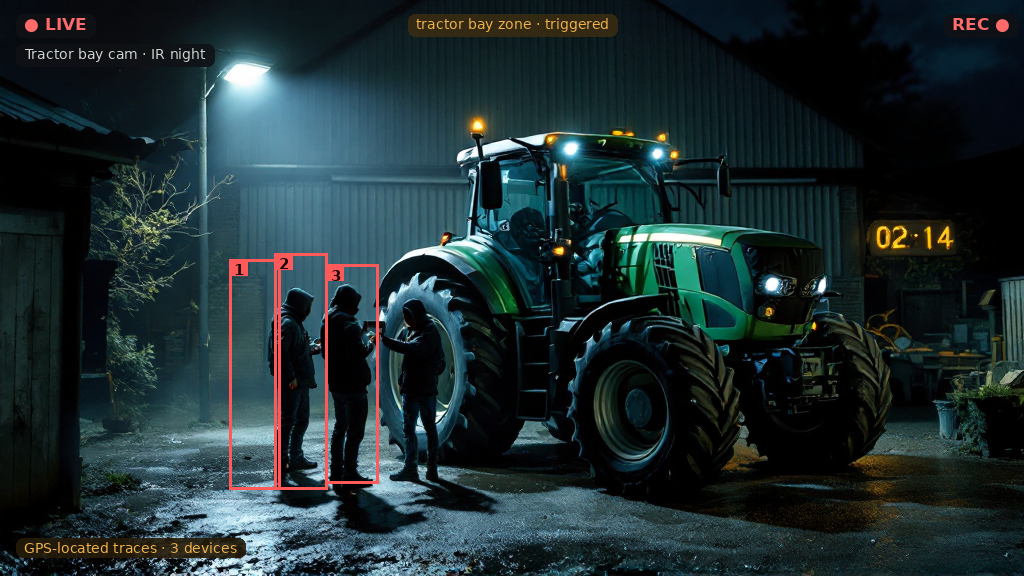
4G cameras transmit footage via mobile networks instead of fixed broadband, making them viable for remote farms and rural properties where conventional internet is unavailable or unreliable. They require a SIM card and active mobile signal, function independently of your farm’s connectivity, and integrate with cloud storage or local recording. The sections below explain the technology, site assessment, and realistic expectations before you commit.
What is 4G camera security and how does it differ from broadband systems?
4G cameras capture and transmit video over cellular networks operated by mobile carriers. Unlike systems that depend on fixed-line broadband, they use a SIM card (much like a mobile phone) to send footage to a cloud service or local storage device. This independence from broadband makes them practical for farms, rural workshops, and isolated properties where fibre or copper lines are absent or expensive to install.
Broadband-based cameras stream continuously and rely on stable, high-speed internet. 4G systems, by contrast, are designed around variable signal strength and mobile data consumption. They often use on-device storage, cloud backup, or motion-triggered uploads to manage bandwidth and costs. For rural users, this difference is material: a 4G system works where broadband infrastructure does not exist.
When is 4G camera security the right choice for a farm or rural property?
4G works best where mobile signal is present but broadband is not. If your farm has reliable 3G or 4G coverage from one or more carriers, a 4G camera system is technically feasible. It suits temporary monitoring (building sites, seasonal storage), properties far from towns, and situations where installation speed matters more than fibre availability. It is also useful as a supplementary system—for example, monitoring a remote barn or field gate whilst your main house uses broadband cameras.
4G is less suitable if you need continuous, high-bitrate recording of multiple camera feeds or if mobile signal is patchy or absent. Sites with zero or single-bar coverage will struggle. Similarly, if data costs are a concern, sites requiring constant live streaming or high-resolution footage throughout the day may accumulate expensive monthly bills. A qualified site survey (not a phone signal checker) is essential before commitment.
What should you assess before installing a 4G camera system?
Site survey is the foundation. A professional assessment tests actual signal strength at the camera locations (not just near the house), identifies obstructions, and confirms which carriers offer the best coverage. Many rural areas have patchy coverage: one side of a barn may receive strong signal whilst the other has none. The survey also identifies power supply options (mains, solar, battery) and whether the system will feed footage to cloud storage or a local recorder.
You must also clarify your monitoring goals. Do you need live viewing on your phone, motion alerts, or scheduled recording only? How long must footage be retained? Will you monitor one camera or multiple? These answers influence camera choice, SIM selection (unlimited vs. metered data), and total cost. A realistic survey prevents installing equipment that performs poorly or becomes expensive to operate.
What are the practical limitations of 4G camera security?
Mobile signal is variable. Weather, terrain, and carrier congestion affect reliability. A camera working well on a clear day may drop frames during heavy rain or when the local network is busy. Battery and power consumption is higher than broadband systems because the mobile radio draws constant power; solar panels or mains connection is usually necessary. Live streaming is possible but consumes data quickly, making it expensive for continuous monitoring.
Data costs are significant. Unlimited mobile plans exist, but metered plans charge per gigabyte. A single camera recording motion-triggered clips can use 5–20 GB monthly depending on activity and resolution; continuous streaming uses far more. Cloud storage subscriptions add further cost. Unlike broadband systems, which often have flat-rate home internet, 4G monitoring is an incremental operating expense.
How should you approach choosing a 4G camera provider and SIM?
Not all 4G cameras work with all carriers. Confirm hardware compatibility before purchase. Some manufacturers lock cameras to specific networks; others work across multiple carriers with a standard SIM. Choose a SIM plan aligned to your actual use: unlimited plans suit motion-triggered recording and occasional live viewing; metered plans work only for low-activity sites or brief deployments. Many providers offer trials or short-term contracts to test the system before committing to long-term costs.
Installation support matters. A system that works in theory but is difficult to configure in practice becomes a liability. Reputable providers supply detailed setup guides, responsive technical support, and transparent information about data consumption. They should conduct or recommend a site survey and help you understand ongoing costs. Avoid providers unwilling to discuss signal limitations or data budgets.
What is the realistic timeline and cost structure for a 4G system?
Installation is usually faster than broadband systems because no line provisioning is required. A single camera can be operational within days of purchase and SIM activation. Multiple cameras or complex setups may take longer depending on power infrastructure and positioning. Unlike fixed broadband, which carries high upfront installation fees, 4G systems front-load hardware cost and spread operating expense across mobile and cloud subscriptions.
Budgeting requires transparency about all components: camera hardware, SIM plan (monthly recurring), cloud storage if needed, battery or power equipment, and any support contracts. Providers should itemise these clearly. Request a cost projection for your site based on the survey and your monitoring profile. This prevents surprises when bills arrive.