
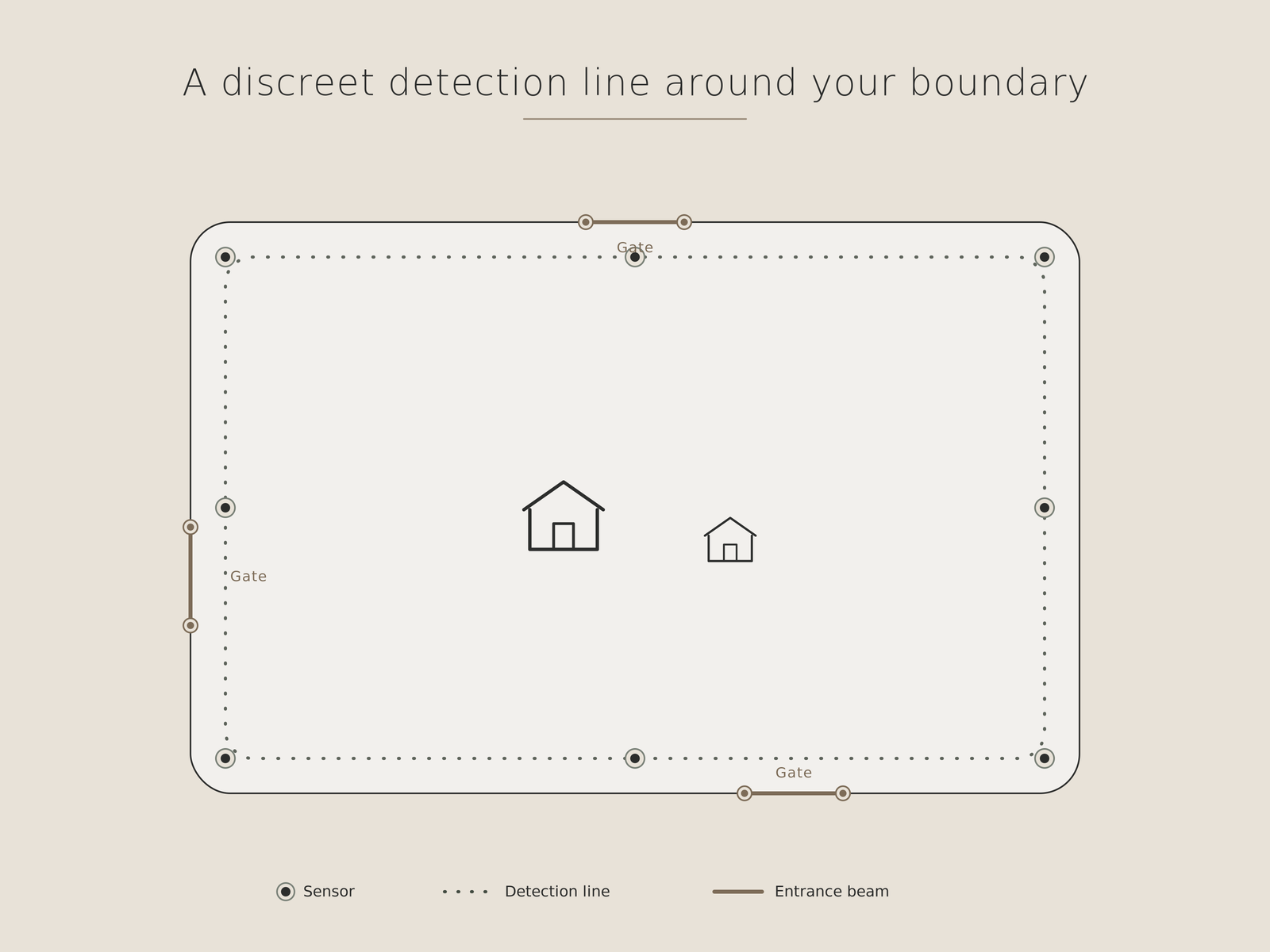
A 4G SIM card in a CCTV system acts as a mobile connection, allowing cameras to send live footage, recordings and alerts to your phone or a monitoring centre without needing a fixed broadband line. The SIM connects the camera or recorder to the mobile network, much like a mobile phone does, so the system works even in rural areas where fibre or copper cables do not reach. This matters on farms and rural holdings where network infrastructure is absent or unreliable.
What a 4G SIM does in a CCTV setup
A 4G SIM is installed in a CCTV recorder or a standalone gateway device that sits between your cameras and the mobile network. Once inserted, the SIM registers on the 4G network and creates a live data connection. Your cameras feed footage to the recorder or gateway; the device then sends that footage, event alerts and status updates over 4G to your phone, tablet or a cloud service. You can watch live or review recordings from anywhere with an internet signal, regardless of what is happening at the farm gate. The system runs continuously, sending alerts when motion is detected or when an intruder approaches the perimeter.
The SIM works like the one in a mobile phone, but the data it carries is CCTV footage and metadata rather than voice calls or texts. It needs a valid contract with a mobile network provider and sufficient data allowance to handle continuous or frequent video transmission. Rural farms often find 4G more reliable than broadband in areas where fixed-line infrastructure has not been laid.
Why mobile-network CCTV matters in rural locations
Organised gangs work at night and return weeks later to steal livestock, quad bikes, diesel and tools. During those gaps between visits, you have no way to know they have been back unless you have footage that shows intruders at the perimeter. Broadband-only systems leave you blind in the places where cables do not run. A monitored alarm service sends an engineer if the system is triggered, but you pay a monthly fee and you rely on someone else to respond. By the time the engineer arrives, the gang has gone. You own nothing: the system, the monitoring contract, the footage and the contact with the police are all tied to a subscription.
A 4G-connected CCTV system gives you the footage in real time and keeps it in your own hands. You are not waiting for a monitored service or hoping an engineer can respond fast enough. You own the system outright, so there is no monthly monitoring bill, no cloud lock-in and no contract. The footage and the incident data stay yours to share with the police or use as recovery evidence later.
How the system identifies intruders and turns footage into police leads
When the 4G CCTV system detects motion at the perimeter, it records footage with a timestamp and sends an alert to your phone. You can review the footage immediately and see who is on your land, what time they arrived and what they targeted. Unlike a monitored system where someone else watches the alert and decides whether to act, you see it first and you decide what to do. You can call the police with footage, vehicle registration numbers, or descriptions that are hours old rather than weeks old. The footage and metadata become a lead the police can work with. Systems using CESAR-marked equipment that reaches recovery against a historic baseline show what good evidence means: the lead is worth acting on because it is fresh, specific and in your hands before the trail goes cold.
Data use and network coverage for 4G CCTV
A 4G SIM transmits video, which uses more data than a text alert. A continuous recording can consume gigabytes per week, depending on camera resolution, frame rate and how much is actually happening at the farm. Most 4G CCTV setups compress footage to manage data use and send alerts rather than constant streams. You choose how much of the day to record and whether alerts trigger higher-quality uploads. Coverage depends on your location: check with your mobile network provider whether 4G reaches your property. Many rural areas that have no broadband do have 4G, and some have backup coverage from multiple networks so the system keeps working even if one goes down.
A 4G SIM is not the same as home broadband. It is a mobile data connection that works anywhere the network reaches, so you are not dependent on cables being installed to your site. If you move the system or add a second camera at another building on the holding, the 4G connection goes with it. There is no engineer visit to install new cabling and no delay waiting for an infrastructure project. This flexibility matters on multi-generational farms and estates where buildings are spread across several fields.
Owned CCTV versus monitored alarms: the difference
A monitored alarm system calls a response centre when it is triggered. You pay a monthly subscription, and the service company decides whether to send someone or call the police. You do not own the system, the footage or the response. A 4G CCTV system with a SIM is yours outright: you own the hardware, the footage, the decision to call the police and the evidence you hand them. There is no recurring bill, no service contract, no company holding your footage on their cloud. When an intruder is caught on film, you have the footage in your hands to share with the police immediately, not a phone call from a monitoring centre hours later.
Get the leads and the recovery potential
A 4G SIM on a CCTV system keeps your farm visible when broadband does not reach. You own the footage, the alert and the decision on whether to call the police. You get the time, the faces, the vehicle registration and the behaviour caught on camera before the gang is ten miles away. That evidence becomes a lead the police can act on.